
Do Homeowners Need a Furnace in California?
When people around the world picture California, they often imagine endless sunshine, sandy beaches, and a climate where winter is merely a suggestion. The idea of needing a powerful heating system in a state famous for its warmth can seem almost contradictory. This leads many homeowners, especially those new to the Golden State, to ask a very reasonable question: with such a mild reputation, do we really need a furnace?
The answer is a resounding yes for a huge portion of the state, but it’s a question that reveals the complex and wonderfully diverse character of California’s climate. The truth is, there is no single “California winter.” The cool, damp evenings on the coast are a world away from the frosty, foggy nights in the Central Valley, and both are vastly different from the heavy snows of the Sierra Nevada.
Choosing the right heating system is not a one-size-fits-all decision. It is a crucial choice that depends entirely on your specific location, the characteristics of your home, and your family’s comfort priorities. Understanding the different heating needs across the state is the first step in determining if a furnace is the right and necessary investment for your home.
California’s Diverse Climates
California is a state of remarkable microclimates, and the heating demands can change dramatically within just a few hours’ drive. To understand your home’s needs, it’s important to identify which type of climate you live in.
The Coastal Regions, from San Diego up through the Bay Area, enjoy a mild, Mediterranean climate. Winters here are certainly cool and can be quite damp, but prolonged, deep freezes are rare. The heating season is shorter and less intense, with the primary goal being to take the chill out of the air during the evenings and on overcast days.


As you move inland, you enter the vast Inland Valleys, including the Central Valley and the inland portions of the Bay Area and Southern California. These regions experience a more dramatic swing between seasons. The scorching heat of summer gives way to winters that are genuinely cold. Temperatures regularly drop into the 30s and 40s at night, often accompanied by dense Tule fog that keeps daytime temperatures brisk. This creates a significant and prolonged need for a reliable and powerful heating source.
Finally, there are the Mountains and High Desert regions. From the Sierra Nevada to the high elevations of the desert, these areas experience a true four-season climate. Winters are cold, with regular snowfall and temperatures that can remain below freezing for extended periods. In these locations, a powerful and unwavering heating system is not just a matter of comfort—it is a non-negotiable necessity for a safe and functional home.
The Case for the Traditional Gas Furnace
The gas furnace has been the long-standing champion of home heating for a reason. It is a dedicated heat generator. By combusting natural gas or propane, it creates its own heat inside a component called a heat exchanger. A blower fan then pushes your home’s air across this intensely hot surface and distributes powerful, warm air throughout your home via ductwork.
The primary advantage of a furnace is its raw, unwavering heating power. Its ability to produce heat is completely independent of the outdoor temperature. Whether it’s a cool 50-degree evening or a frigid 30-degree night, a furnace can deliver a steady stream of high-temperature air, allowing it to heat a home quickly and maintain warmth even during the coldest weather.

This makes a furnace an excellent and often essential choice for homeowners in the Inland Valleys and Mountain regions. Its powerful performance is perfect for recovering from a cold night and ensuring your home stays cozy during prolonged cold snaps. Furthermore, in the many California communities with established natural gas infrastructure, it remains a very cost-effective heating solution. Even in milder coastal areas, larger or older homes with less efficient windows and insulation can benefit from the robust heating capacity that only a furnace can provide.
Want to learn more about furnace installation? Click here.
The Rise of Heat Pumps
A modern and increasingly popular alternative to the traditional furnace and air conditioner pairing is the heat pump. A heat pump is an all-in-one system that provides both heating and cooling from a single outdoor unit. Instead of generating heat, it cleverly moves it. In the summer, it functions exactly like a standard air conditioner, extracting heat from inside your home and moving it outside.
In the winter, it reverses this process. Even when the air feels cold, it still contains ambient heat energy. The heat pump absorbs this energy from the outdoor air, concentrates it, and transfers it into your home. This process of moving heat is remarkably efficient. A heat pump can deliver up to three units of heat energy for every one unit of electrical energy it consumes, making it 200-300% efficient.
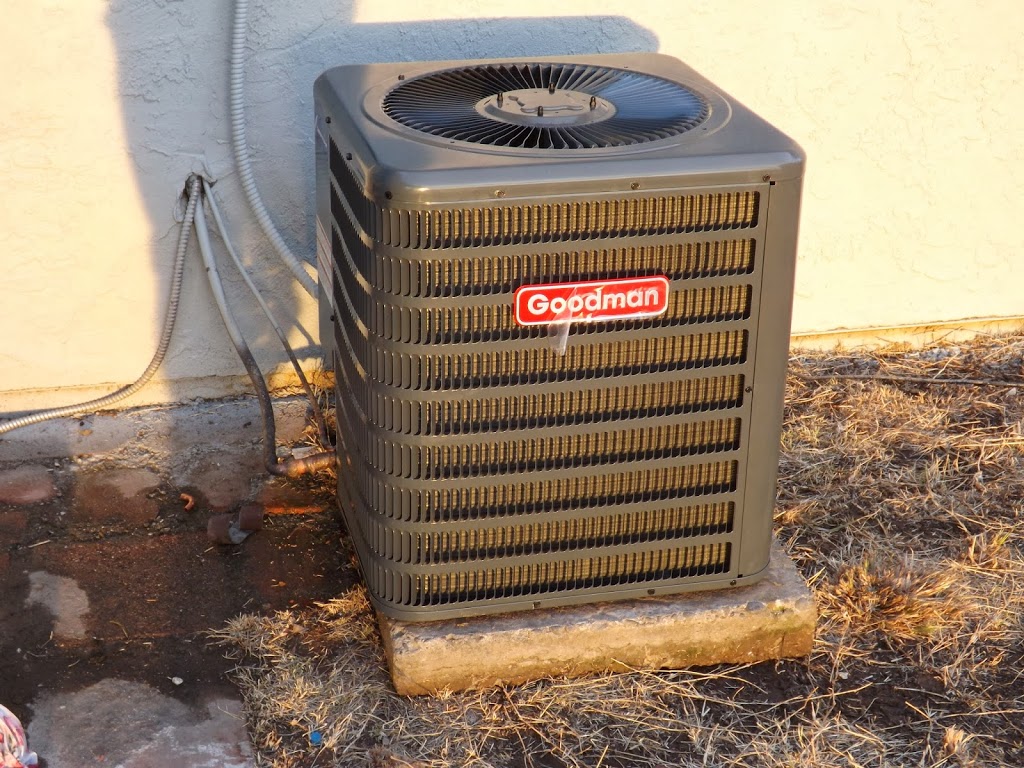
This incredible efficiency makes a heat pump the perfect solution for the mild winters of California’s Coastal Regions. It can easily handle the cool temperatures of a typical winter day in San Diego, Orange County, or the coastal Bay Area, all while providing the powerful cooling needed for the summer. For all-electric homes in these regions, a heat pump is often the most logical and economical choice. However, as temperatures approach freezing, a heat pump’s efficiency decreases, and it must rely on a less-efficient backup heating source. This is why it may not be the ideal primary solution for California’s colder climates on its own.
Curious about having a heat pump installed? Click here to learn more.
The Ultimate Compromise: Dual Fuel (Hybrid) Systems
For homeowners in California’s transitional climates, like the Inland Valleys, there is an innovative solution that offers the best of both worlds: the dual fuel system. This setup, also known as a hybrid heat system, pairs an ultra-efficient electric heat pump with a powerful and reliable gas furnace.
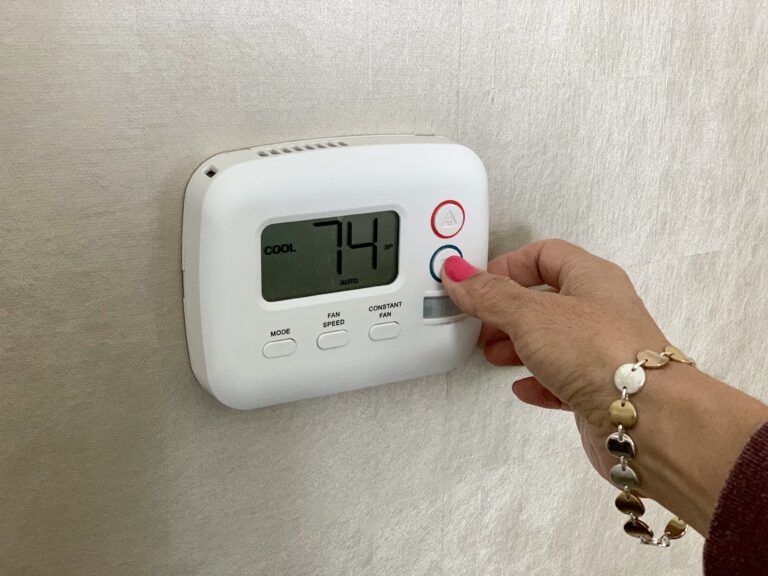
This system is managed by a smart thermostat that intelligently decides which appliance to use based on the outdoor temperature. For the vast majority of the year, the electric heat pump provides all of your cooling and your primary heating. During the cool days of fall, the chilly nights of winter, and the brisk mornings of spring, you are benefiting from the incredible energy efficiency of the heat pump.

However, when the outdoor temperature drops below a pre-set point (typically around 35-40°F), the thermostat knows that the gas furnace is now the more effective and economical option. It automatically shuts off the heat pump and turns on the furnace, giving you that powerful, unwavering heat when you need it most. This system provides a no-compromise solution: maximum efficiency for most of the year, with the powerful backup of a gas furnace for the coldest days and nights.
So, Do You Need a Furnace?
The final decision comes down to your specific location and your home’s unique characteristics.
You very likely need a furnace (either as a standalone unit or as part of a dual fuel system) if you live in the Central Valley, the Sacramento area, the High Desert, or any of California’s mountain communities. You should also strongly consider a furnace if your home is particularly large, has older, less-efficient windows, or has known insulation issues. If you prioritize powerful, rapid heating performance during the coldest parts of the winter, a furnace is an essential component of your home comfort system.
You might be better served by a high-efficiency heat pump alone if you live in a mild coastal climate, such as in San Diego or Orange County. If your home is smaller, modern, and well-insulated, and your top priority is year-round energy efficiency in an all-electric home, a heat pump is an excellent and sufficient choice.
The idea that no one in California needs a furnace is a myth. For a huge portion of our diverse state, a powerful and reliable furnace is a critical part of ensuring a comfortable and safe home during the winter months. The choice between a furnace, a heat pump, or a combination dual fuel system is a nuanced one that requires a professional assessment of your home’s specific needs.
An expert can evaluate your home’s size, insulation, and existing infrastructure, and discuss your comfort preferences and budget to help you make an informed decision. If you are considering a new heating system, contact the home comfort experts at Zuzu Plumbing Heating and Air. We are proud to help homeowners across our community navigate their options and find the perfect, most efficient heating solution for their California home.