
The Truth About HVAC Air Purifiers
Homeowners in Modesto are more concerned than ever about the quality of the air inside their homes. We spend a significant amount of time indoors, and the air we breathe can be filled with particles, germs, and odors. This concern has led many to explore solutions beyond a standard one inch furnace filter. HVAC air purifiers, also known as whole home air cleaners, are integrated directly into your heating and cooling system. They promise to clean all the air in your house as it circulates. But with so many different technologies and claims, it can be difficult to separate fact from fiction.
The truth is that not all air purifiers are created equal. They use vastly different methods to clean the air, and each method has its own strengths and weaknesses. Some are designed to trap microscopic particles like pollen and dust. Others use energy to neutralize germs like bacteria and viruses. Understanding these differences is the key to finding a solution that actually addresses your specific indoor air quality concerns. A high quality air purifier can be a powerful tool for a healthier home, but only when it is the right tool for the job.
What Are Whole Home Air Purifiers?
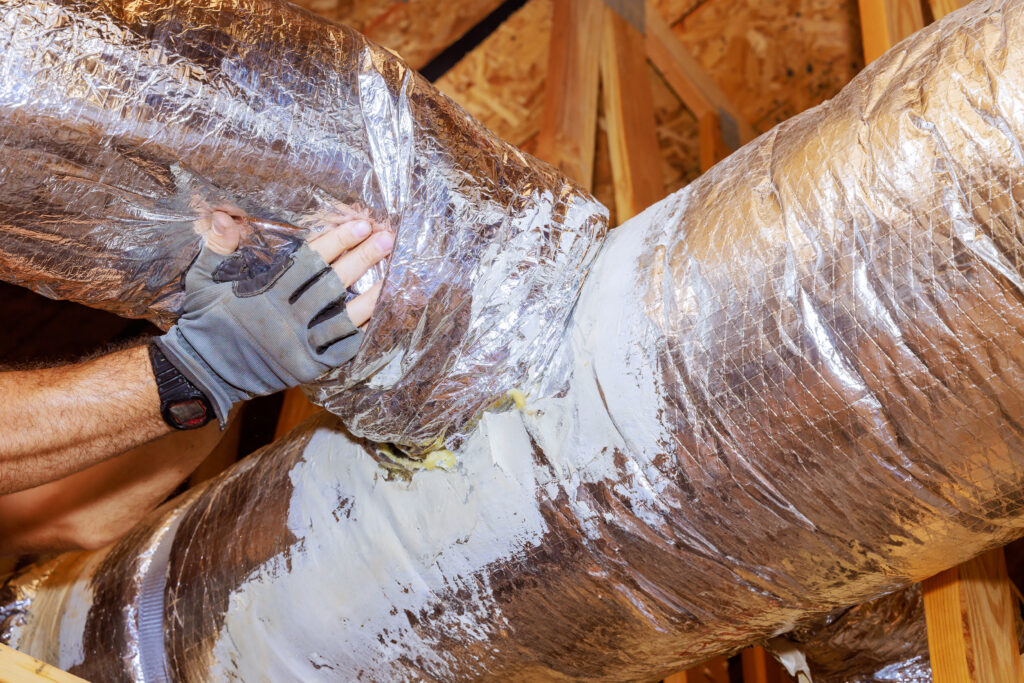
When people talk about air purification, many think of the small, portable units that plug into a wall and treat the air in a single room. An HVAC air purifier is a much more powerful and comprehensive solution. These systems are professionally installed within your home’s central heating and cooling system, typically in the ductwork near the furnace or air handler. This central location is their greatest advantage.
Instead of cleaning the air in just one area, a whole home purifier treats all the air that your HVAC system moves. Every time your furnace or air conditioner runs, the air from every room in your house is pulled into the return ducts, passed through the purification system, and then sent back out as cleaner, conditioned air. This continuous, comprehensive filtration and treatment process is far more effective than any portable unit.
Need your air ducts inspected? Click here for our air duct inspection service.
These systems are not just oversized filters. They are advanced pieces of equipment designed to target contaminants that standard filters miss. A basic furnace filter is only meant to protect your HVAC equipment from large dust and lint. Whole home purifiers are designed to protect you, the person breathing the air, from microscopic threats.
The Foundation: High Efficiency Media Filters
The most common and straightforward type of whole home air purifier is a high efficiency media filter. These are physical filters, similar in concept to your standard one inch filter but vastly superior in performance and construction. They are typically four to five inches thick and installed in a dedicated housing right next to your air handler. This added thickness is their secret.
A thick, pleated media filter has an enormous amount of surface area. This allows it to trap a very high percentage of airborne particles without severely restricting the airflow your HVAC system needs to function. These filters are rated using the MERV scale, or Minimum Efficiency Reporting Value. A standard one inch filter might be a MERV 4. A high efficiency media filter, by contrast, can range from MERV 11 to MERV 16, which is considered hospital level filtration.
A high MERV filter can capture microscopic particles you cannot see. This includes common Modesto allergens like pollen, mold spores, pet dander, and dust mite debris. They are incredibly effective at removing the “particulate matter” that triggers allergy and asthma symptoms. For most homeowners, a high quality media filter is the best starting point for improving indoor air quality.
There are also HEPA filters, which stands for High Efficiency Particulate Air. A true HEPA filter is certified to trap 99.97 percent of particles at 0.3 microns in size. While HEPA filters are the gold standard, they are rarely used in a residential HVAC system without significant modification. Their filtration is so dense that they can restrict airflow, putting a dangerous amount of strain on the furnace’s blower motor. Specially designed systems can handle them, but a high MERV media filter provides a safe and effective balance for most homes. The main maintenance for these systems is simple. You just replace the thick filter, but only once or twice per year instead of every month.
The Electrical Approach: Electronic Air Cleaners
Another popular category is the electronic air cleaner, also known as an electrostatic precipitator. This type of purifier uses a fundamentally different process. Instead of trapping particles in a dense media, it uses high voltage electricity to remove them from the airstream.
As air passes through the electronic air cleaner, airborne particles are given an electric charge. These charged particles then pass between a series of collector plates that have an opposite electrical charge. Just like magnets, the charged particles are attracted to these plates and stick to them, removing them from the air.
The primary benefit of this technology is its high efficiency at capturing extremely small particles. Electronic air cleaners are very effective against fine smoke, dust, and other contaminants that are too small for even a good media filter to catch. They also have a very low resistance to airflow, which means your HVAC system does not have to work harder to push air through them.
However, electronic air cleaners require more maintenance than media filters. The collector plates must be removed and cleaned regularly, typically every few months. If they are not cleaned, they become coated in particles, lose their charge, and stop working. This cleaning process can be cumbersome. Some models also produce a tiny, trace amount of ozone as a byproduct of the electrical charging process, which can be an irritant for highly sensitive individuals.
Targeting Germs: UV-C Light Purifiers
Both media filters and electronic cleaners focus on removing particles. But what about germs? This is where UV-C light purifiers come in. These systems use a special type of ultraviolet light, known as UV-C, which has germicidal properties. It is the same technology trusted by hospitals to sterilize equipment and air.
A UV-C purifier for an HVAC system is typically a lamp, or “stick light,” that is installed inside your ductwork or over the indoor evaporator coil. This light does not trap any particles. Instead, it works by destroying the DNA and RNA of microorganisms, rendering them unable to reproduce and spread. As bacteria, viruses, and mold spores circulate through the HVAC system and pass by the UV-C light, they are exposed to this germicidal radiation.
It is important to understand what UV-C lights can and cannot do. They are excellent at killing germs, but only with sufficient exposure time. A fast moving virus particle in the airstream may not be exposed long enough to be neutralized. For this reason, UV-C lights are most effective at surface sterilization. Their greatest benefit is when they are installed shining on the evaporator coil. This coil is a cold, damp, and dark environment, making it the perfect breeding ground for mold and bacteria. The UV-C light bathes the coil in its germicidal light 24/7, keeping it clean and preventing mold from ever growing and spreading through your home.
Do you think your air ducts need cleaning? Click here to see why it may be necessary.
UV-C lights are a powerful addition to a complete system. They do not replace a filter, since they do nothing to remove dust, pollen, or other non living particles. They work best when paired with a high efficiency media filter. Maintenance involves replacing the UV bulb once a year, as its germicidal intensity fades over time.
What About Odors and Chemicals?
There is one major category of indoor air pollutants that none of the previous systems can handle: volatile organic compounds, or VOCs. These are gases and odors emitted from common household items like paint, cleaning supplies, new furniture, and cooking.

To combat these, some purification systems incorporate activated carbon. Carbon is an incredibly porous material that traps gas molecules and odors through a process called adsorption. A filter with a carbon layer can significantly reduce household odors from cooking or pets, as well as chemical fumes. This is almost always found as an additional component, such as a carbon coated pre filter or a thick, dedicated carbon filter used alongside a particle filter.
Are They a Complete Solution?
The truth is that no single air purifier is a magic bullet that solves all air quality problems. The most effective strategy is often a layered one. For example, pairing a high-MERV media filter to capture particles with a UV-C light to sterilize the coil creates a system that addresses two very different types of contaminants.
It is also important to remember that purification is only one part of the indoor air quality puzzle. The other two essential components are source control and ventilation. Source control means removing the pollutant. If you have a mold problem, an air purifier will help, but the real solution is to fix the moisture issue and remove the mold.
Ventilation is the process of bringing in fresh, clean outdoor air to dilute the stale, polluted indoor air. Modern homes are built to be very airtight for energy efficiency, but this can trap pollutants inside. A ventilation system, like a heat recovery ventilator (HRV) or energy recovery ventilator (ERV), can be integrated into your HVAC system to exchange fresh air without wasting all your heating or cooling energy. A whole home purifier ensures that this incoming fresh air is also cleaned.
HVAC air purifiers are a legitimate and effective way to dramatically improve the air quality in your entire Modesto home. They are far superior to single room portable units and provide a robust line of defense against allergens, germs, and other invisible threats. The truth is that there is no single “best” purifier; there is only the best purifier for your specific needs.
If your primary concern is allergies and asthma, a high efficiency media filter is an excellent and cost effective solution. If you are also concerned about viruses, bacteria, and mold growth in your system, adding a UV-C light provides a powerful layer of germicidal protection. For a home with heavy odors or chemical sensitivities, a system with a carbon filter is a must.
Understanding these technologies allows you to make an informed decision. At Zuzu Plumbing Heating and Air, we have over 25 years of experience helping Stanislaus County residents breathe cleaner, safer air. Our owner, Jay Nino, is committed to providing 5 star service and direct, honest answers. We can evaluate your home’s unique needs and recommend a purification strategy that is right for you and your family.