
How to Prepare Your HVAC System for Winter
The transition from the intense heat of a Modesto summer to the cool, damp chill of winter puts immense stress on your HVAC system. Your furnace has likely been dormant for six months or more, and when you ask it to fire up for the first time, it needs to perform safely and reliably. Waiting until the first cold snap to check your heating is a gamble that often results in an expensive 24/7 emergency call. Preparing your HVAC system for winter is not just a suggestion; it is a mandatory process that protects your family, lowers your utility bills, and prevents costly, inconvenient breakdowns.
Preparing for the heating season involves a combination of professional service and simple homeowner checks. You need to ensure the system is clean and efficient. You also need to confirm that your home itself is sealed against heat loss. By taking a proactive approach now, you can avoid the major problems that result from years of dirt accumulation and unaddressed mechanical wear. A comprehensive winterization strategy ensures your furnace runs efficiently throughout the colder months and continues to provide dependable service for years to come.
The Essential First Step: Professional Furnace Tune Up
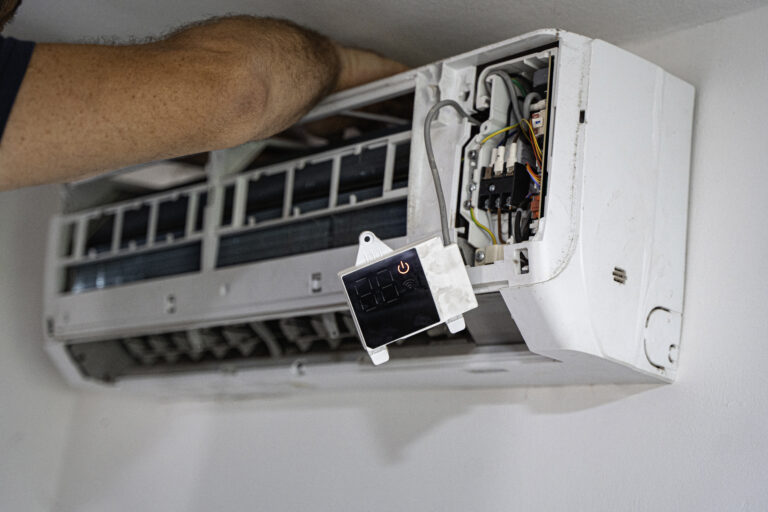
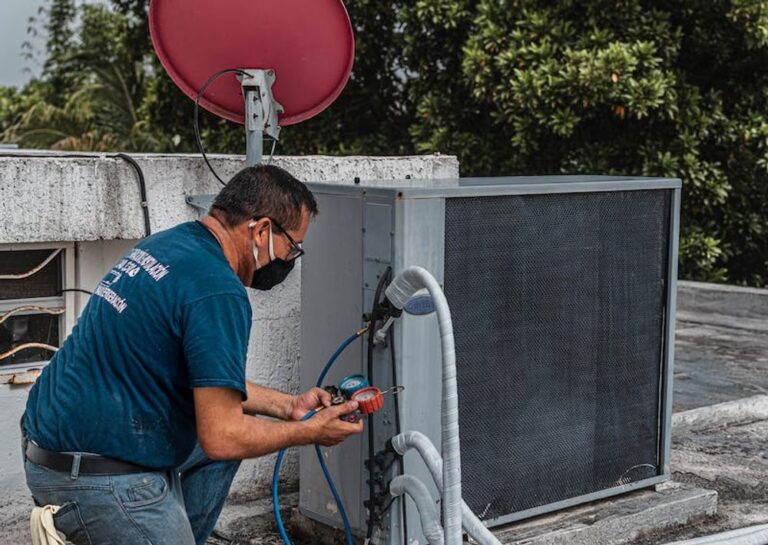
The single most important step you can take to prepare your home for winter is scheduling a professional furnace tune up. This service goes far beyond what a homeowner can safely check and is the only way to verify that your system is operating both efficiently and safely. A tune up should be performed every fall before you rely on the system heavily.
The furnace is a combustion appliance, meaning it burns gas to create heat. The combustion process creates carbon monoxide, an odorless and colorless gas that is deadly. A component called the heat exchanger separates these flue gases from the air that blows into your home. Over years of use, this heat exchanger can develop hairline cracks, creating a potential leak point for carbon monoxide. During a professional tune up, the technician meticulously inspects the heat exchanger for these dangerous cracks and ensures all venting is secure and free from blockage. This safety inspection is the most crucial part of the entire process.

Beyond safety, a tune up maintains your financial protection. Most HVAC manufacturers require proof of routine professional maintenance to keep their warranties valid. If a major component fails and you have no record of maintenance, the manufacturer may legally deny the claim, leaving you responsible for thousands of dollars in replacement costs. A professional service receipt is your assurance that your valuable investment remains protected. The tune up also restores the furnace to peak efficiency by cleaning soot from the burners, lubricating the fan motor, and testing the safety controls.
Mastering Air Filters and Indoor Air Quality
Your air filter is often called the lungs of your HVAC system. It is a simple, inexpensive component with a critical dual purpose. Its primary job is to protect your furnace’s internal components, such as the heat exchanger and the blower motor, from dust and debris. Its secondary job is to clean the air you breathe. When winter approaches, installing a new, clean filter is mandatory.
Need your furnace repaired? Click here for our furnace repair service.
A dirty filter is the number one cause of furnace inefficiency and failure. As the filter becomes clogged with dust, hair, and debris, it severely restricts airflow. This forces the blower motor to work harder to pull air through the blockage, which dramatically increases your electricity consumption. This increased strain not only drives up your energy bills but also leads to premature motor burnout, an expensive repair.
Furthermore, restricted airflow is dangerous for a gas furnace. When the system cannot draw enough air, the heat exchanger can overheat, causing the furnace to short cycle or, worse, leading to metal fatigue and cracking. Starting the season with a clean filter eliminates this immediate threat. Homeowners should check their one inch filters monthly and replace them at least every 60 to 90 days during the heavy use winter season, or more often if they have pets or suffer from allergies. A new, clean filter ensures maximum airflow and maximum safety.
Optimizing the Thermostat and Settings
The thermostat is your energy command center. If you are still using an old, non programmable thermostat, you are almost certainly wasting money. Manually adjusting the temperature is prone to human error. A smart or programmable thermostat is essential for creating an automated, energy saving schedule that ensures you are not heating the house when no one is home.
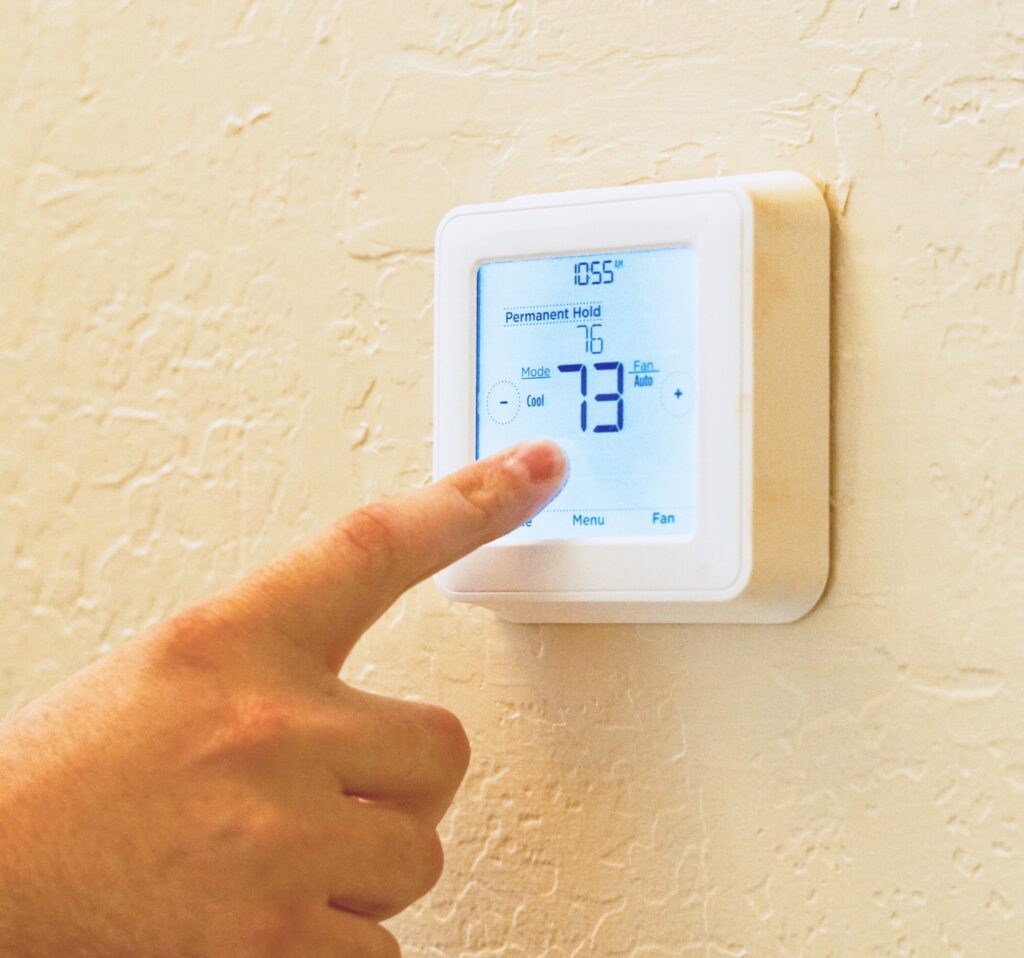
Energy experts recommend setting your thermostat to 68 degrees Fahrenheit while you are awake and home. For every degree you set the temperature above 68, your energy consumption increases significantly. The biggest savings come from employing a “setback” strategy. You can save up to 10 percent on your annual heating bill by setting the temperature back 7 to 10 degrees for eight hours a day, typically while you are sleeping or away from the house. A modern thermostat automates this process perfectly.
It is a common myth that turning the temperature down and then back up costs more than maintaining a constant temperature. This is incorrect. Your home loses heat more slowly at a lower temperature, so the longer your home stays cooler, the more energy you save overall. When you program a smart thermostat, it knows exactly how long it takes your furnace to warm the house back up from the setback temperature. It will begin heating 30 minutes before you wake up, ensuring comfort just as you step out of bed, without running inefficiently all night. This precise automation is why upgrading your control system is one of the quickest ways to realize winter savings.
Protecting the System’s Circulation: Ductwork and Vents
Even the most efficient new furnace will waste money if the heated air never reaches the rooms where it is needed. For homes with central HVAC, the ductwork is a massive source of wasted energy. The U.S. Department of Energy estimates that typical homes lose 20 to 30 percent of conditioned air through leaks, holes, and poor connections in the duct system. In the winter, this means up to a third of the heat you paid for is being released into a cold attic or crawlspace.
Want tips for winter energy savings? Click here for more information.
Scheduling a professional duct inspection and sealing service is a huge step toward winter efficiency. Technicians can use mastic sealant or metal tape to seal visible leaks. Repairing these breaches ensures that the warm air goes where it is intended, improving the comfort of your home and reducing the required run time of your furnace. This is particularly important in older homes where ducts are located in unconditioned spaces.
Furthermore, you must ensure all supply and return vents inside your home are completely clear. Many homeowners mistakenly close vents in unused rooms, believing they are saving money. This is counterproductive. Closing vents creates pressure imbalances in the duct system, which forces your furnace’s blower motor to work harder. This starves the rest of the house of air and can actually damage your equipment. All vents should remain open and clear of rugs, furniture, or drapes to allow for proper airflow. You can also use your ceiling fans in reverse, or the clockwise direction, to gently push warm air that collects at the ceiling back down into the living space, making you feel warmer at a lower thermostat setting.
Winterizing the Outdoor Air Conditioner Unit
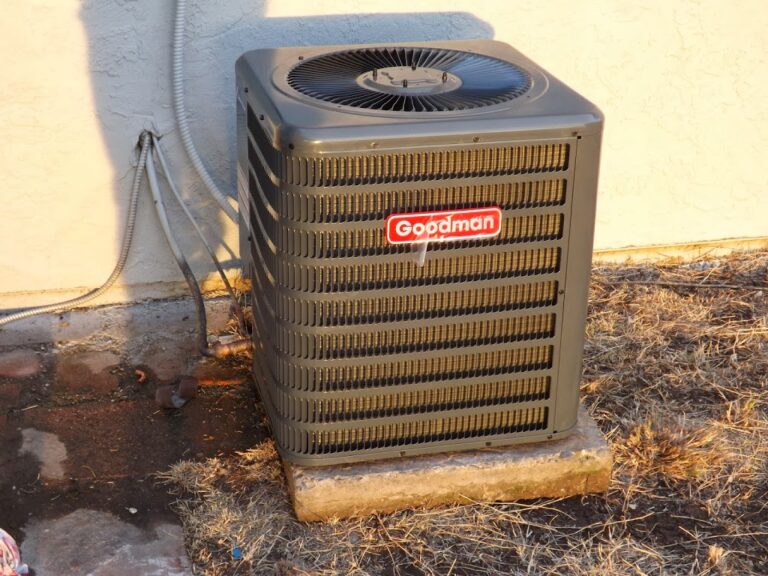
While your furnace is the star of the winter, you cannot neglect the outdoor air conditioner unit. Even though it is off for the season, a few simple steps will protect it from debris, freezing, and potential damage before the spring.
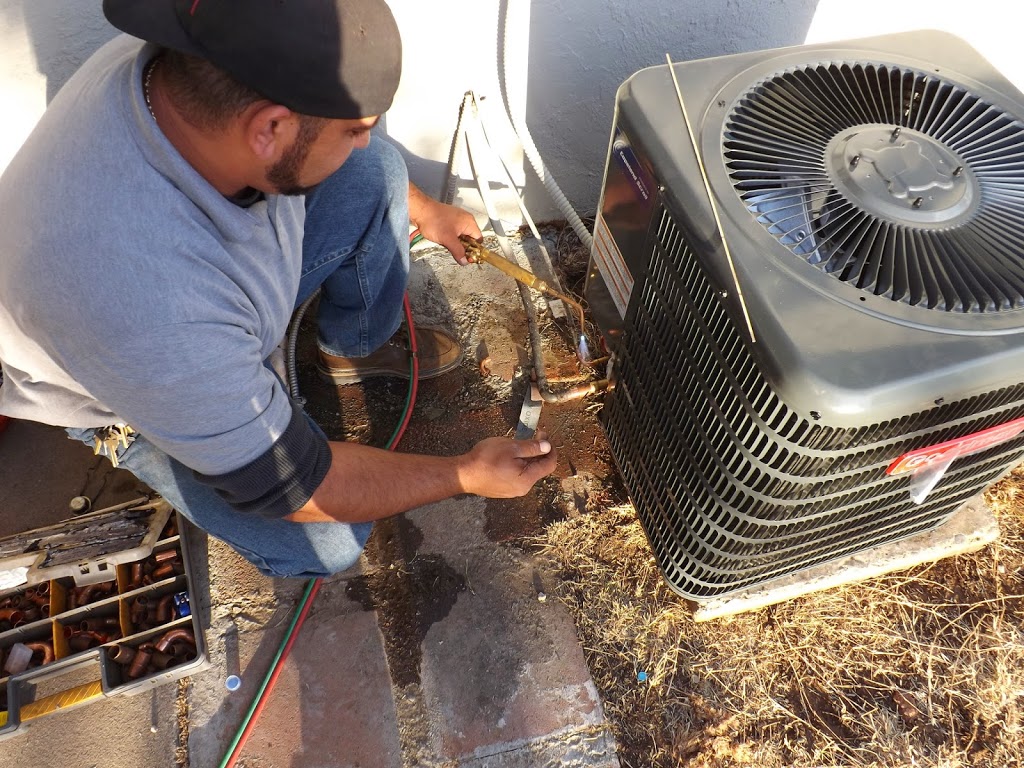
The first step is to clean the unit thoroughly. Remove any leaves, sticks, or other debris that have collected in or around the unit during the fall. Use a hose to gently rinse the fins clear of dirt and dust and allow it to dry completely. Next, it is crucial to turn off the electrical power to the unit at the exterior disconnect box. This ensures that the system cannot accidentally turn on during an unusually warm winter day. Running the compressor in freezing temperatures can cause serious damage.
Finally, consider covering the unit. While opinions vary on this subject, covering the top of the unit protects it from falling ice, heavy debris, and excessive moisture accumulation inside the fins. It is vital to use a proper, breathable HVAC cover that is secured only around the top. Never wrap the entire unit in plastic or a non breathable tarp. The unit must be able to breathe to allow moisture and condensation to escape. Trapping moisture inside can accelerate rust and corrosion. A simple plywood top or a fitted cover that leaves the sides open is usually the safest option for Modesto homeowners.
Sealing the Home Envelope Against Heat Loss
Your HVAC system cannot work alone. Its job is to generate heat, but it is your home’s structure, known as the envelope, that is responsible for keeping that heat inside. Even a brand new, highly efficient furnace will fail to keep a home comfortable if the warm air is immediately escaping through holes and gaps. Sealing your home is an easy, low cost way to maximize your energy savings.
Conduct a thorough inspection of your home for air leaks. Cold air can enter and warm air can escape through tiny gaps around windows, door frames, and utility penetrations. Apply fresh caulk around window frames and pipes that enter the house. Install new weatherstripping around doors that feel drafty. These simple materials are inexpensive and can stop a tremendous amount of heat loss.
Insulation also plays a vital role. Check the insulation in your attic. Heat naturally rises, and if your attic insulation is insufficient, your expensive heated air is simply pouring into the cold, outside air. Other simple actions, like closing curtains and blinds at night, create an insulating layer between the cold window glass and the warm air inside your home. By taking these simple steps to seal the home envelope, you reduce the workload on your furnace, which translates directly into lower energy bills and greater comfort.
Preparing your HVAC system for winter is a mandatory series of steps that guarantees your family’s safety, extends the life of your equipment, and significantly lowers your utility costs. This preparation moves you from a reactive stance, where you wait for a breakdown, to a proactive one. It involves scheduling the professional tune up for safety, performing simple homeowner checks like changing the air filter and clearing the vents, and sealing your home against costly heat loss.
For over 25 years, Zuzu Plumbing Heating and Air has served Modesto and Stanislaus County. Our owner, Jay Nino, and our expert team are dedicated to ensuring your furnace operates safely and efficiently all season long. We back our workmanship with a two year warranty and are ready 24/7 should an emergency arise.